What Exactly is a "Red Eye" Flight? Understanding Night Travel
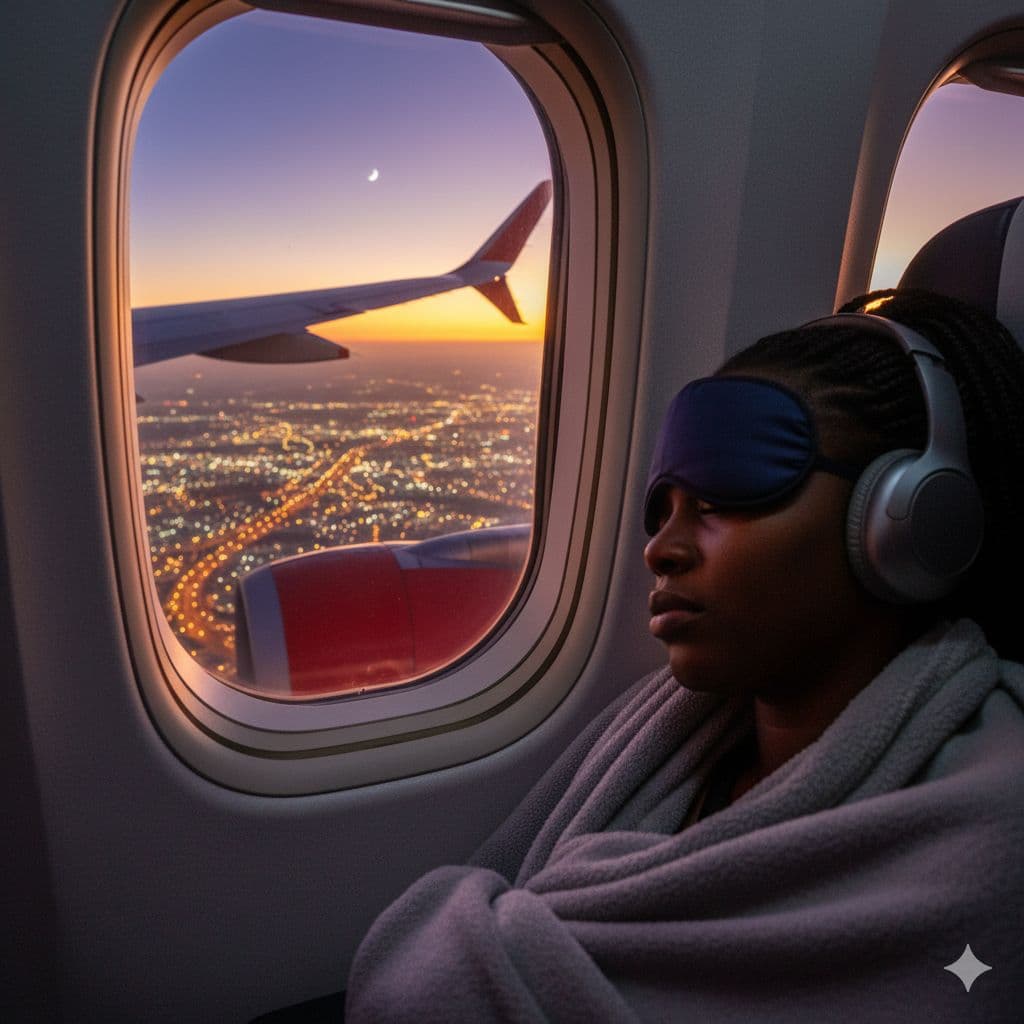
What Exactly is a "Red Eye" Flight? The Science and Strategy Behind Night Travel
Ever heard the term "Red Eye Flight"? It sounds sophisticated, but it's simply a flight that departs late at night (usually between 9:00 PM and 1:00 AM) and arrives early the next morning.
Origin of the Term:
The name comes from the likely appearance of passengers' eyes—red and tired—from having missed a night's sleep! This phenomenon occurs due to:
- Dry cabin air during flight
- Fatigue from disrupted sleep patterns
- Potential alcohol consumption (which dehydrates further)
- General travel stress and excitement
The Economics of Red Eye Flights:
Airlines schedule red eye flights for several strategic reasons:
1. Aircraft Utilization: Planets can fly through the night instead of sitting idle at airports, maximizing revenue potential.
2. Airport Slot Optimization: Taking off during off-peak hours can mean lower airport fees and less congestion.
3. Business Traveler Appeal: Arriving early morning allows business travelers to have a full workday at their destination.
4. International Connections: Red eye flights often connect well with morning arrivals at major international hubs.
5. Competitive Pricing: Sometimes offered at lower fares to fill seats during less desirable travel times.
Popular Red Eye Routes:
Common red eye patterns include:
- Coast-to-Coast (USA): New York to Los Angeles, departing around 10 PM, arriving around 1 AM (local time)
- Transatlantic: European cities to East Coast USA, arriving early morning
- Regional Hubs: Connecting secondary cities to major hubs for morning connections
- Business Routes: Between financial centers for next-day meetings
Pros of Taking Red Eye Flights:
1. Time Efficiency: Maximize daylight hours at both origin and destination
Cons to Consider:
1. Sleep Disruption: Difficult to get quality sleep in economy class 2. Jet Lag Impact: Can exacerbate time zone adjustment issues 3. Arrival Fatigue: May need to power through the day after arrival 4. Limited Services: Airport facilities may have reduced hours 5. Transportation Challenges: Limited public transport upon early morning arrival
Tips for Surviving a Red Eye:
1. Prepare in Advance: Adjust your sleep schedule gradually before the flight 2. Choose Wisely: Opt for aisle seats if you need to move around, window if you want to sleep 3. Sleep Kit Essentials: Eye mask, neck pillow, earplugs or noise-canceling headphones 4. Stay Hydrated: Drink water, avoid alcohol and caffeine before and during flight 5. Dress Comfortably: Wear loose, breathable clothing and layers for temperature changes 6. Time Your Sleep: Try to align sleep with destination time zone if possible 7. Post-Flight Strategy: Have a plan for arrival day—light activity, no important meetings if possible
Red Eye Flights in African Aviation:
In the African context, red eye flights serve important functions:
- Regional Connectivity: Connecting West African cities to East African hubs
- International Links: African capitals to European and Middle Eastern hubs
- Cargo Operations: Many cargo flights operate overnight
- Tourist Routes: Connecting beach destinations to international gateways
The Future of Overnight Travel:
As aviation technology evolves:
- New Aircraft: Quieter, more comfortable planes better suited for sleep
- Premium Economy: More affordable lie-flat or near-lie-flat options
- Wellness Focus: Airlines offering better sleep amenities and programs
- Scheduling Algorithms: AI optimizing flight times for passenger comfort and operational efficiency
Now that you know...
Are you brave enough to trade your bed for a window seat under the stars? Red eye flights aren't for everyone, but with the right preparation, they can be an efficient way to travel while making the most of your time at both ends of your journey.
Whether you're a business traveler maximizing productivity or an adventurer chasing new horizons, understanding the red eye phenomenon helps you make informed travel decisions that suit your style and needs.